
Alternate Courses to STEM: Fashion and Interior Design as AI-Proof Careers
March 20, 2026 2026-03-23 5:58Alternate Courses to STEM: Fashion and Interior Design as AI-Proof Careers

STEM (Science, Technology, Engineering, and Mathematics) often dominates discussions about career security. With artificial intelligence reshaping industries, many worry whether their chosen paths will remain relevant. Yet not all careers are equally vulnerable to AI and automation. Creative industries—especially fashion design and interior design—stand out as fields that resist AI takeover while offering strong earning potential and personal fulfillment.
Why Creative Careers Resist Automation?
AI thrives on repetitive, rule-based tasks. Creativity, cultural sensitivity, and emotional resonance, however, remain uniquely human. Fashion and interior design depend on imagination, storytelling, and personal connection. While AI can assist with forecasting or modeling, the essence of these professions lies in human intuition and artistry.
Fashion Design: More Than Clothing
Fashion is a cultural language. Designers interpret social movements and identities into wearable art.

Why Fashion Is AI-Proof
• Human-Centered Creativity: Designers anticipate desires before consumers articulate them.
• Cultural Context: Styles reflect traditions and social narratives AI cannot fully grasp.
• Emotional Connection: Clothing empowers and inspires in ways algorithms cannot replicate.
Earning Potential Fashion offers diverse revenue streams:
• Luxury Labels: Premium pricing for high-end creations.
• Mass Market: Retail collaborations provide steady income.
• Entrepreneurship: Independent designers build niche brands online.
• Styling & Consulting: Guiding individuals and corporations on image and branding.
Globalization and e-commerce allow designers to reach clients worldwide, expanding opportunities far beyond local markets.
Interior Design: Crafting Spaces That Speak
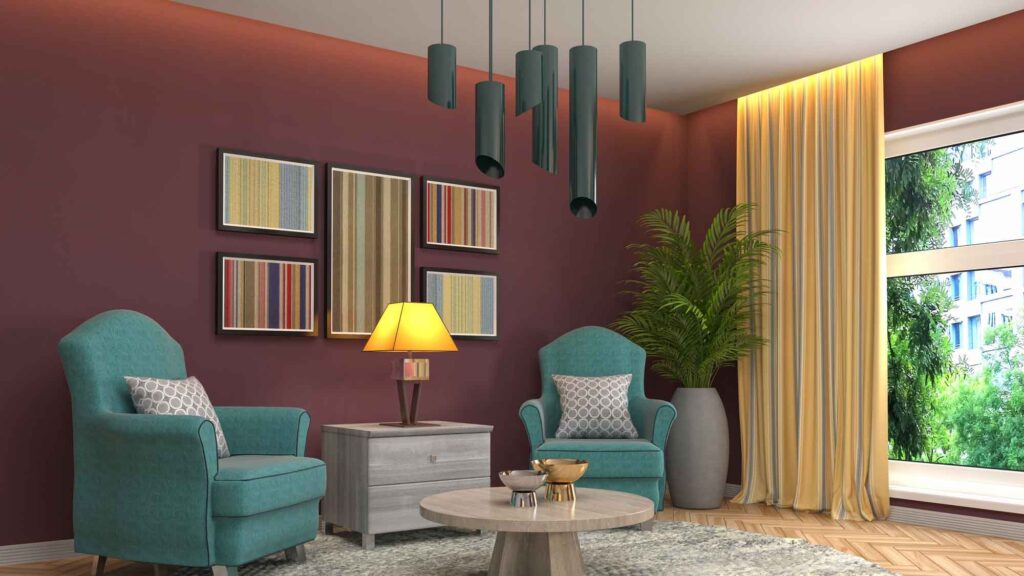
Interior design transforms spaces into functional, aesthetic, and emotionally resonant environments. It blends architecture, psychology, and art.
Why Interior Design Is AI-Proof
• Personalization: Every client’s lifestyle and taste require human interpretation.
• Sensory Experience: Textures, lighting, and ambiance demand intuition.
• Creative Problem-Solving: Designers balance budgets, limitations, and expectations.
Earning Potential Interior design offers lucrative avenues:
• Residential Projects: Homes, apartments, and luxury villas.
• Commercial Spaces: Offices, restaurants, hotels, and retail outlets.
• Specialized Niches: Sustainable design, heritage restoration, luxury interiors.
• Freelancing & Consulting: Independent designers charge premium fees for bespoke work.
Urbanization and rising aspirations continue to fuel demand for well-designed spaces, making this field financially robust.
The Future of Creative Careers
While STEM remains vital, creativity is increasingly valued as a differentiator. AI may support designers with tools like virtual fitting rooms or 3D visualization, but it cannot replace the human touch. Professionals who embrace technology as a collaborator—rather than competitor—will thrive.
Fashion and interior design also offer something STEM often cannot: personal expression and cultural impact. A garment can symbolize empowerment; a room can become a sanctuary. That influence is timeless.
Conclusion
Fashion and interior design are not just alternatives to STEM—they are future-proof careers combining creativity with financial opportunity. They resist automation because they rely on imagination, cultural awareness, and emotional intelligence. For those seeking a career that is both fulfilling and lucrative, these industries prove that artistry and innovation can coexist with technology, ensuring relevance in an AI-driven world.